
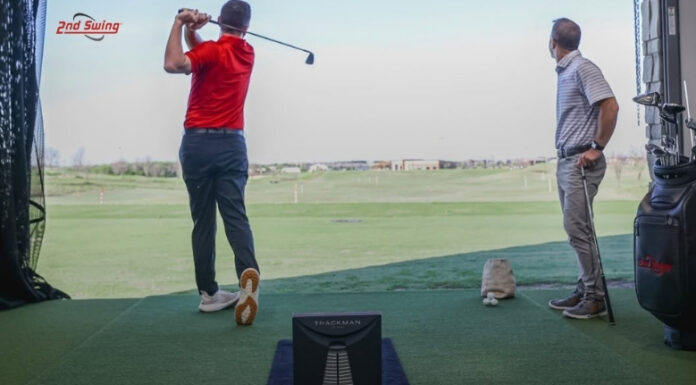
Golf can be a rewarding sport, but building a complete set of quality equipment often requires a significant investment. Fortunately, golfers today have more options than ever before. Pre-owned golf clubs have become increasingly popular among beginners, casual players, and experienced golfers looking to upgrade without paying full retail prices. When chosen carefully, used equipment can deliver excellent performance while helping players stay within budget.
The growing market for certified pre-owned clubs has also improved buyer confidence. Many retailers inspect, grade, and accurately describe the condition of each club, making it easier to understand exactly what you are purchasing. 2nd Swing offers a wide selection of new and pre-owned golf equipment, giving golfers opportunities to compare different brands, club models, and price ranges before making a decision. Understanding how to evaluate used equipment allows players to improve their game while making smarter purchasing choices.
Why More Golfers Are Choosing Pre-Owned Clubs
One of the biggest reasons golfers choose pre-owned equipment is value. Golf club technology continues to evolve, but many models released only a few years ago still perform exceptionally well. Purchasing quality used clubs allows golfers to access premium equipment at a significantly lower cost, making the game more affordable without sacrificing performance.
Pre-owned clubs also provide greater flexibility when experimenting with different styles of equipment. Instead of investing heavily in brand-new clubs that may not suit their swing, golfers can test different lofts, shaft types, or club designs while minimizing financial risk. This approach is especially useful for newer players who are still developing their technique and learning what equipment best complements their game.
2nd Swing helps golfers explore a wide range of pre-owned equipment that supports different playing abilities, budgets, and performance goals. Choosing carefully maintained used clubs allows players to enjoy excellent quality while making more cost-effective equipment decisions.
Many experienced golfers also appreciate pre-owned clubs because they provide access to proven models that continue to perform consistently long after newer versions enter the market.

Understanding Club Condition and Value Before Buying
When purchasing used golf clubs, understanding their condition is just as important as comparing prices. Cosmetic wear such as light scratches or minor paint marks often has little effect on performance, while deeper face damage, excessive groove wear, or structural issues may significantly impact playability. Learning how equipment is graded helps golfers determine whether a particular club offers good overall value.
Buyers should also evaluate other important factors such as shaft condition, grip wear, loft specifications, and overall club compatibility with their swing. A club in excellent condition that suits a golfer’s playing style will usually provide better long-term value than purchasing the newest model simply because it is recently released. Careful inspection reduces uncertainty and increases confidence before making a purchase.
2nd Swing provides detailed condition descriptions that help golfers compare equipment more accurately while selecting clubs that match both their performance needs and budget. Taking time to understand club quality ensures every purchase contributes positively to the overall golf experience.
Matching Equipment to Your Playing Style
Every golfer has a unique swing, skill level, and playing preference, which is why selecting equipment based solely on popularity is rarely the best approach. Factors such as swing speed, ball flight, handicap, and shot consistency all influence which clubs will deliver the best results. Choosing equipment that complements your natural playing style often leads to greater confidence and improved performance on the course.
It is also helpful to think about long-term development rather than immediate performance. Beginners may benefit from more forgiving clubs that offer additional distance and accuracy, while experienced golfers might prioritize control, workability, and shot shaping. Understanding your strengths and areas for improvement makes it easier to select clubs that continue supporting your progress over time.
2nd Swing offers golfers access to a broad selection of equipment suitable for different playing styles, helping players compare options before investing in new additions to their golf bag. Selecting clubs that match your individual game creates a more enjoyable experience while supporting consistent improvement.
When Trading in Your Old Clubs Makes Sense
Many golfers keep unused equipment for years without realizing it can still hold considerable value. Trading in older clubs provides an opportunity to reduce the cost of upgrading while ensuring existing equipment continues to be used by other players. This approach is both practical and cost-effective, especially when replacing several clubs within a set.
Before deciding to trade in equipment, golfers should evaluate its overall condition, age, and current market demand. Clubs that remain well maintained often retain better value than those showing excessive wear or damage. Cleaning equipment before evaluation and understanding current pricing trends can also help maximize trade-in opportunities.
2nd Swing provides trade-in options that allow golfers to upgrade equipment more affordably while giving quality clubs a second life. Combining trade-ins with thoughtful purchasing decisions helps players build a golf bag that better suits their current abilities without unnecessarily increasing their overall equipment budget.
Common Mistakes to Avoid When Buying Used Golf Equipment
Buying pre-owned golf equipment can be an excellent investment, but avoiding a few common mistakes will help ensure you get the best value. One of the biggest errors is purchasing clubs based only on price. A low-cost club that does not suit your swing or playing ability may perform poorly and eventually require replacement, making it a more expensive choice in the long run.
Another mistake is overlooking important details such as shaft flex, club length, grip condition, loft, and lie angle. These specifications have a significant impact on comfort, accuracy, and consistency. Golfers should also avoid purchasing equipment simply because it is popular with professionals, as every player has unique requirements and swing characteristics.
2nd Swing helps golfers compare equipment with detailed product information, making it easier to identify clubs that match individual playing needs rather than simply following current trends. Taking the time to evaluate equipment carefully leads to smarter purchases and greater satisfaction on the course.
Building a Better Golf Bag Without Overspending
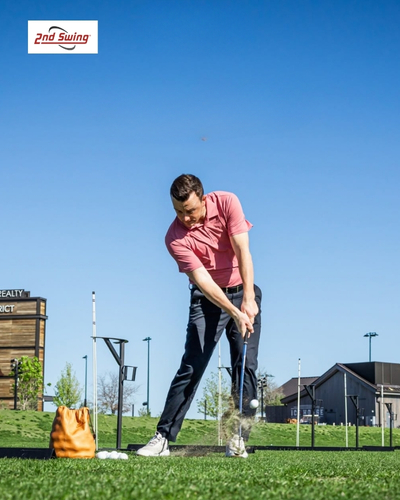
Creating an effective golf bag is about selecting equipment that works well together instead of filling it with the newest or most expensive clubs. A balanced set should provide confidence from the tee, control on approach shots, consistency around the greens, and reliability on the putting surface. Focusing on practical performance rather than brand prestige often results in better overall play.
Golfers can gradually improve their equipment by upgrading one or two clubs at a time instead of replacing an entire set. This strategy spreads costs over a longer period while allowing players to evaluate how each addition affects their game. Regularly reviewing equipment performance and replacing only what is necessary helps maintain an efficient and cost-effective golf bag.
2nd Swing offers golfers a wide selection of new and pre-owned equipment, making it easier to build a complete set that balances quality, performance, and affordability. By choosing clubs that suit individual playing styles, understanding equipment condition, and taking advantage of trade-in opportunities, golfers can improve their game while managing their budget more effectively.
Investing wisely in golf equipment is not about spending the most money—it is about making informed decisions that support long-term improvement. Careful research, thoughtful club selection, and a focus on compatibility allow golfers of every skill level to enjoy better performance, greater confidence, and more value from every round they play.