

Preparing meals at home can save money, support healthier eating habits, and give you more control over what goes onto your plate. However, the challenge is not always cooking itself. For many people, packing meals, storing leftovers, keeping food organized, and transporting everything without creating a mess can be just as difficult.
A practical meal-preparation system can make these everyday tasks much easier. The right containers can help with portioning, organization, transportation, and storage while reducing the need for disposable packaging. Bentgo offers meal-preparation and food-storage products designed around these everyday needs, making it easier to organize meals at home, work, school, or while travelling.
Make Meal Preparation More Organized
Meal preparation does not have to mean spending an entire weekend cooking dozens of meals. Even small amounts of preparation can make busy weekdays easier.
Start by deciding which meals you are most likely to need in advance. For some people, preparing lunch the night before is enough. Others may prefer preparing several portions at once.
Bentgo provides meal-preparation and food-storage solutions that can help keep prepared foods organized and ready for convenient use.
Using separate compartments can make it easier to keep different foods together without mixing everything into one container. This can be particularly useful when packing lunches that include a main dish, vegetables, fruit, or snacks.
Planning portions in advance can also make weekday meals more predictable. Instead of opening the refrigerator and deciding what to eat every day, you already have something prepared.
However, avoid preparing more food than you can realistically consume. A complicated meal-prep routine can become difficult to maintain if it requires too much time.
Keep your recipes simple enough to repeat. A few reliable meals can be more useful than an ambitious plan that becomes exhausting.
The goal of meal preparation is convenience. If your system saves time and reduces daily decision-making, it is doing its job.
Choose Containers for Your Routine
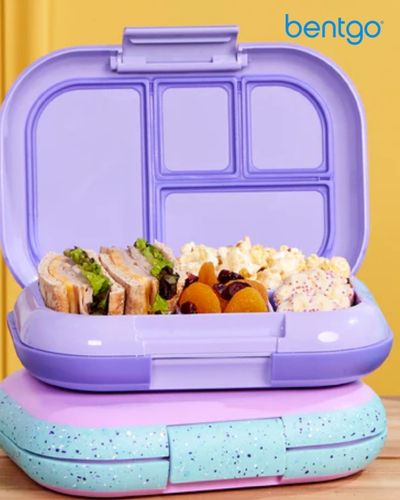
Not every food container works equally well for every situation. The right option depends on what you are storing, how you are transporting it, and how much food you typically carry.
For example, someone packing lunch for an office may have different requirements from a parent preparing school meals or someone carrying food during a day outdoors.
Bentgo offers different types of food containers and meal solutions, allowing users to choose products based on their individual routines.
Consider the size carefully. A container that is too small may not hold enough food, while one that is unnecessarily large can take up valuable space in a bag or refrigerator.
Compartments can also be useful if you prefer to keep foods separated. This is particularly convenient for meals containing several different ingredients.
Think about portability as well. If you carry your meals regularly, a secure design can help reduce the risk of spills and make transportation easier.
The material and care requirements are also worth checking before purchase. Some containers are designed for particular storage or heating methods, so always follow the instructions for the specific product.
Instead of choosing a container because it looks attractive, think about how it will function during a normal day.
A practical container should fit naturally into your routine.
Make Packed Lunches More Enjoyable
Packed lunches can become repetitive when the same foods are prepared in the same way every day. A little organization can make them more varied and enjoyable.
A divided container can help you create a more balanced-looking meal by separating different foods into individual sections.
Bentgo offers lunch-focused products that can help organize different components of a meal, making packed food easier to manage at work, school, or while travelling.
Try combining different textures and colours. A simple lunch can feel more appealing when it includes fresh vegetables, fruit, a main dish, and a small snack.
You can also use packed lunches as an opportunity to make leftovers more useful. Instead of allowing extra food to sit in the refrigerator until it is forgotten, portion it into a container for the next day’s meal.
This approach can reduce food waste and save preparation time.
For children, compartments can also make lunches easier to organize. Keeping different foods separate may be more appealing to children who prefer not to have ingredients mixed together.
Adults can benefit from the same organization. A packed lunch that looks neat and appetizing can make a workday meal feel more enjoyable.
Variety is important, so rotate ingredients rather than preparing the exact same combination every day.
A practical lunch system should save time without making meals boring.
Simplify Food Storage at Home
Food containers are not only useful for packed lunches. They can also help organize food inside the refrigerator and pantry.
Leftovers can be portioned into containers immediately after a meal, making them easier to identify and use later.
Bentgo offers food-storage products that can support more organized meal storage, helping households keep prepared foods convenient and accessible.
Clear organization can reduce the chances of forgetting what is in the refrigerator. When food is stored neatly and portions are easy to identify, it becomes easier to plan the next meal.
Using appropriately sized containers can also help prevent unnecessary clutter. Oversized containers may occupy more refrigerator space than necessary.
If you regularly prepare meals in advance, consider creating a simple rotation system. Use older prepared foods first and place newer items behind them.
Always follow appropriate food-safety practices when storing prepared meals. Pay attention to storage temperatures and recommended food-storage periods.
Containers are tools for organization, but they do not replace proper food handling.
Cleaning is another important part of food storage. Wash containers according to their care instructions and make sure they are properly dried before storing them.
A well-organized storage system can make everyday cooking more efficient because ingredients and leftovers are easier to manage.
Reduce Dependence on Disposable Packaging
Reusable food containers can also be useful for people trying to reduce their dependence on disposable food packaging.
Instead of repeatedly using disposable bags, wraps, or takeaway containers, reusable options can become part of a regular meal-preparation routine.
Bentgo focuses on reusable meal and food-storage products, giving consumers practical alternatives for carrying and storing meals.
The environmental benefit of reusable products depends on how consistently they are used. A reusable container that sits unused in a cupboard does not provide much practical value.
Choose products that you will actually use frequently. Durability, convenience, cleaning requirements, and storage all influence whether a reusable container becomes part of your everyday routine.
It is also useful to take care of reusable products properly. Cleaning them after use can help keep them ready for the next meal.
For people who regularly bring lunch from home, switching from disposable packaging to reusable containers can become a simple everyday habit.
The same applies to snacks. Rather than individually packaging every food item, you can organize portions using reusable storage solutions when appropriate.
Small changes can become meaningful when repeated consistently.
The objective is not to eliminate every disposable product immediately. Instead, identify areas where reusable options naturally fit into your lifestyle.
Meal containers are one of the easiest places to begin because they can be used repeatedly throughout the week.
Build a Routine That Saves Time
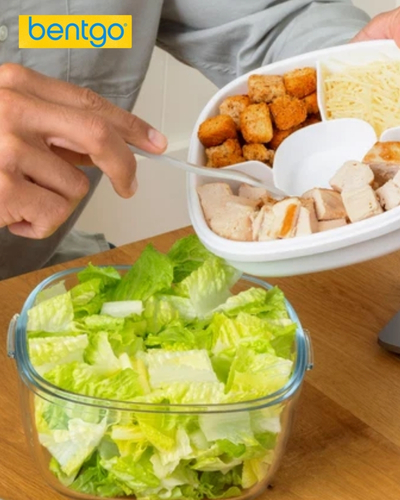
The real benefit of meal-preparation products comes from how they fit into your routine.
Bentgo offers solutions that can support different aspects of meal organization, but the most effective system is one that is simple enough to maintain.
Start with one meal. If preparing lunch is your biggest daily challenge, focus on making lunch easier before expanding your system to breakfasts, dinners, and snacks.
Prepare ingredients when you already have time available. Washing vegetables, cooking grains, preparing proteins, or portioning snacks in advance can reduce work later.
Keep your containers somewhere easy to reach. If they are buried behind other kitchen equipment, you may be less likely to use them.
After using a container, clean it promptly and return it to its storage area. This creates a simple cycle where the container is always ready for the next meal.
You can also create a small weekly planning routine. Spend a few minutes deciding which meals you will prepare and which containers you will need.
Do not make the system overly complicated. If your routine requires too many steps, it may become difficult to maintain during busy weeks.
The best organization system is the one that continues working even when life becomes hectic.
Meal preparation becomes easier when cooking, storage, and transportation are treated as parts of the same routine rather than separate tasks.
A practical food-container system can make everyday eating more organized without requiring dramatic lifestyle changes.
Bentgo offers meal-preparation, lunch, and food-storage solutions that can help people organize meals for work, school, home, travel, and other daily activities.
The best place to start is with your biggest challenge. If you struggle with weekday lunches, focus on creating a simple lunch-preparation routine. If leftovers are frequently forgotten, use organized storage to make them easier to see and use.
Choose container sizes based on your actual meals, not assumptions about how much food you might prepare someday. Consider compartments, portability, cleaning requirements, and storage space before deciding which type is most suitable.
Reusable containers can also support more sustainable everyday habits when they are used consistently. Taking care of them properly helps ensure they remain useful for a long time.
Most importantly, keep meal preparation realistic. You do not need to prepare every meal several days in advance to benefit from better organization.
Even preparing one lunch the night before can save valuable time the next day.
With a few practical containers, simple planning, and a routine that fits your schedule, meal preparation can become less stressful and more efficient.
Whether you are packing lunch for work, organizing school meals, storing leftovers, or preparing food for a busy week, the right system can help keep everything neat, convenient, and ready when you need it.