
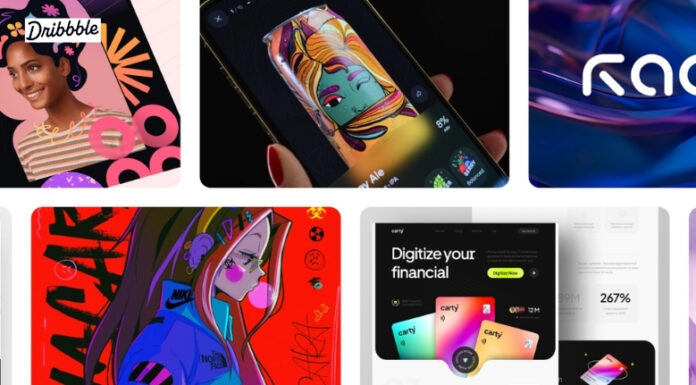
A creative portfolio is often the first impression a designer, illustrator, UI/UX specialist, or digital artist makes on potential clients and employers. Long before an interview or project discussion takes place, people want to see examples of your work, your creative thinking, and your ability to solve real design challenges. A well-structured portfolio does more than display attractive visuals—it demonstrates professionalism, attention to detail, and the value you can bring to future projects.
Creating an effective portfolio requires careful selection rather than simply uploading every project you have completed. Quality, consistency, and storytelling are far more important than quantity. Dribbble provides creative professionals with a platform to showcase their work, gain inspiration, and connect with companies looking for design talent. By building a portfolio that reflects your strongest abilities and communicates your design process, you can create opportunities that support long-term career growth.
Why a Strong Portfolio Matters in Today’s Creative Industry
Competition within the creative industry continues to grow as businesses increasingly rely on digital products, branding, marketing, and user experience. As a result, employers and clients often evaluate portfolios before reviewing resumes or scheduling interviews. A strong portfolio immediately demonstrates technical skills, creativity, and the ability to solve practical problems through design.
An effective portfolio also builds trust. When viewers can clearly understand your design style, thought process, and project outcomes, they become more confident in your abilities. Rather than simply telling people what you can do, your work provides visual evidence of your expertise and experience. This credibility can significantly improve your chances of securing freelance projects, full-time positions, or long-term client relationships.
Dribbble allows designers to present carefully selected work that highlights both creativity and professional capability, helping them reach audiences interested in high-quality design services. Investing time in building a polished portfolio often produces greater career benefits than continuously creating new projects without presenting them effectively.
A portfolio should always communicate not only what you designed, but also why your design decisions solved the problem successfully.
Choosing Projects That Showcase Your Best Skills
One of the most common portfolio mistakes is including every project instead of selecting only the strongest examples. Employers and clients usually spend just a few minutes reviewing a portfolio, making it essential that every project represents your highest standard of work. A smaller collection of outstanding projects is generally far more effective than dozens of average examples.
Variety also plays an important role in demonstrating versatility. Including projects across branding, web design, mobile applications, illustration, packaging, or motion graphics can showcase different strengths while maintaining a consistent level of quality. At the same time, every project should align with the type of work you want to attract in the future, ensuring your portfolio reflects your professional goals rather than simply your past experience.
Dribbble provides creative professionals with opportunities to present carefully curated work that highlights individual strengths and attracts audiences looking for specific design expertise. Choosing projects strategically allows your portfolio to communicate a clear professional identity while making a lasting impression on potential clients and employers.
Writing Case Studies That Tell the Story Behind Your Work
Strong visuals capture attention, but thoughtful case studies explain the thinking behind every design decision. Instead of showing only the final result, explain the project goals, target audience, challenges, research process, and the reasoning behind your creative choices. This approach demonstrates problem-solving skills rather than simply artistic ability, making your portfolio far more valuable to potential clients and employers.
A well-written case study should also highlight measurable outcomes whenever possible. Improvements in user engagement, conversion rates, customer satisfaction, or brand recognition provide evidence that your design created real business value. Even personal or conceptual projects can include objectives, design decisions, and lessons learned to demonstrate your professional approach.
Dribbble gives designers the opportunity to showcase projects that combine strong visuals with meaningful storytelling, helping viewers understand both the creative process and the final outcome. Well-structured case studies build credibility and help your work stand out in a highly competitive creative industry.
Building a Consistent Personal Brand Across Your Portfolio
Your portfolio should feel like a unified representation of who you are as a creative professional. Consistency in typography, color choices, layout, image quality, and writing style creates a polished experience that reflects professionalism and attention to detail. Even if your projects span different industries or design styles, presenting them within a cohesive visual identity strengthens your personal brand.
Beyond visual consistency, your portfolio should communicate your unique strengths and design philosophy. A clear introduction, concise project descriptions, and a consistent tone of voice help visitors quickly understand what makes your work distinctive. The goal is not to imitate current design trends but to present an authentic identity that clients and employers can easily remember.
Dribbble helps creative professionals build visibility by presenting carefully curated work within a professional design community. A strong personal brand makes your portfolio more recognizable, improves credibility, and increases the likelihood of attracting projects that align with your expertise and career goals.
Common Portfolio Mistakes That Can Cost You Clients
Even talented designers can lose valuable opportunities if their portfolio contains avoidable mistakes. One of the most common issues is prioritizing quantity over quality. Including too many average projects can weaken the overall impression, while a carefully curated collection of your strongest work creates a much greater impact. Every project should demonstrate a specific skill, creative strength, or problem-solving ability.
Another frequent mistake is providing little or no context for the work. Without explaining the project objectives, audience, design process, or results, viewers may struggle to understand the value behind the visuals. Outdated projects, inconsistent branding, broken links, poor image quality, and confusing navigation can also reduce credibility. Regularly reviewing and updating your portfolio ensures it continues to represent your current abilities and professional standards.
Dribbble enables creative professionals to showcase polished work in a way that highlights both design quality and creative thinking. Avoiding these common mistakes helps build trust with potential clients and increases the likelihood of securing meaningful design opportunities.

Keeping Your Portfolio Fresh as Your Career Grows
A portfolio should evolve alongside your experience rather than remain static for years. As your skills improve and you complete more advanced projects, replacing older work with stronger examples keeps your portfolio relevant and competitive. Regular updates also demonstrate continued professional growth and show potential clients that you remain active within the creative industry.
It is equally valuable to reflect on the type of work you want to attract in the future. If you plan to specialize in branding, product design, illustration, or UX, your portfolio should gradually shift to emphasize those areas. By intentionally shaping your portfolio around your long-term goals, you position yourself for opportunities that better match your expertise and interests.
Dribbble supports designers by providing a professional environment where creative work can be shared, refined, and discovered by businesses seeking talented professionals. Through careful project selection, compelling case studies, consistent personal branding, and regular portfolio updates, creative professionals can build a portfolio that not only showcases their abilities but also opens the door to better freelance projects, career advancement, and lasting professional relationships.
A strong portfolio is more than a collection of attractive designs—it is a reflection of your creative journey, problem-solving approach, and professional identity. By focusing on quality, presenting meaningful stories behind your work, and continuously improving your presentation, you create a portfolio that leaves a lasting impression and supports long-term success in the creative industry.