
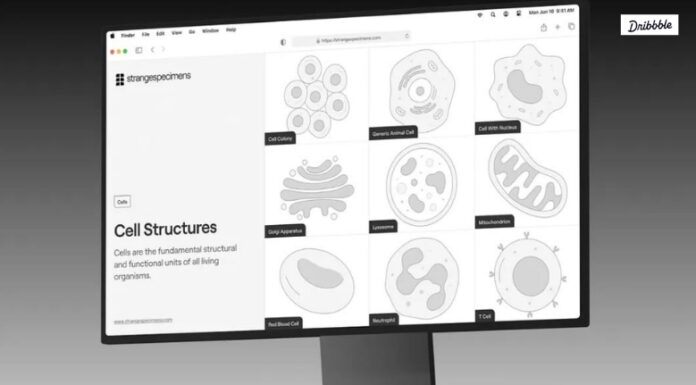
Personal projects are often viewed as creative hobbies, but they can become powerful career assets when presented strategically. Many successful designers have landed freelance clients, full-time roles, and collaborative opportunities because of work they created outside of client briefs. These projects allow designers to experiment freely, explore new ideas, and demonstrate skills that may not be reflected in commercial work.
Unlike client projects, personal work gives complete creative freedom. Designers can choose the problem they want to solve, define their own visual direction, and showcase their unique style without external limitations. Dribbble provides a platform where creative professionals can share personal projects with a global design community, helping them gain visibility while demonstrating creativity and technical expertise. When presented effectively, passion projects often become the strongest pieces in a professional portfolio.
Why Personal Projects Matter More Than Ever
Employers and clients are increasingly interested in seeing how designers think beyond standard assignments. Personal projects reveal creativity, initiative, and curiosity—qualities that are difficult to measure through resumes or certificates alone. They demonstrate a willingness to learn new techniques, experiment with different design approaches, and solve problems independently.
These projects also allow designers to build experience in industries they hope to work in. Someone interested in fintech, healthcare, travel, or e-commerce can create conceptual interfaces, branding systems, or marketing campaigns that reflect those sectors. Instead of waiting for the perfect client, designers can proactively build the portfolio they want, making themselves more attractive to future employers.
Dribbble gives designers an opportunity to showcase original concepts that highlight both creative thinking and practical execution. Strong personal projects often spark conversations, attract recruiters, and open doors to opportunities that might not have been possible through client work alone.
Rather than treating personal work as practice, designers should approach each project as a professional case study that reflects the quality they would deliver for paying clients.

Creating Personal Projects That Stand Out
A memorable personal project begins with a clear objective instead of simply producing attractive visuals. Start by identifying a real problem, selecting a target audience, and defining what success looks like. Whether designing a mobile app, reimagining a brand identity, or creating a website concept, having a clear purpose gives the project direction and makes the final presentation more compelling.
Attention to detail also plays an important role. Consistent typography, thoughtful color choices, polished layouts, and realistic mockups help transform a concept into a professional-quality presentation. Explaining your research, design decisions, iterations, and final outcome adds depth that allows viewers to understand your creative process rather than judging only the finished design.
Dribbble enables designers to present polished personal projects that showcase originality, technical ability, and problem-solving skills. By focusing on meaningful concepts instead of simply following trends, creative professionals can build a portfolio that attracts clients, employers, and collaborators looking for innovative design talent.
Presenting Your Creative Process Effectively
An impressive final design may attract attention, but showing how you arrived at that solution creates a much stronger impression. Including research, sketches, wireframes, mood boards, user flows, and design iterations demonstrates your ability to think critically and solve problems systematically. This helps clients and employers understand that your work is driven by strategy as well as creativity.
Explaining challenges and design decisions adds further value to your presentation. Instead of simply displaying polished mockups, describe why you chose certain layouts, typography, colors, or interactions. Highlighting lessons learned and improvements made throughout the project also demonstrates adaptability and a commitment to continuous learning—qualities that are highly valued across the creative industry.
Dribbble allows designers to share projects that showcase both creative outcomes and the thinking behind them, helping viewers appreciate the complete design journey. A transparent creative process often builds more trust than simply presenting finished visuals.
Using Personal Projects to Build Your Professional Network
Personal projects can become excellent conversation starters within the design community. Sharing thoughtful work consistently encourages feedback, attracts like-minded creatives, and opens opportunities to collaborate on future projects. Engaging with other designers by offering constructive comments and participating in creative discussions can further expand your professional network.
Visibility grows even more when personal projects reflect current design challenges or emerging technologies. Exploring areas such as AI interfaces, sustainable branding, accessibility, or product design can position you as someone who stays informed about industry trends. Over time, these projects contribute to a recognizable professional identity that attracts clients and employers seeking fresh ideas and modern design skills.
Dribbble provides creative professionals with a space to showcase original work while connecting with designers, recruiters, agencies, and businesses worldwide. Consistently sharing meaningful personal projects helps strengthen your reputation and creates opportunities that extend far beyond a single portfolio.
Turning Creative Visibility into Career Opportunities
Publishing great work is only the first step. To turn visibility into real career opportunities, designers should make it easy for potential clients and employers to understand how to get in touch. A clear profile, concise introduction, updated contact information, and links to relevant professional channels help interested viewers take the next step without unnecessary effort.
Consistency also plays an important role in long-term growth. Instead of uploading several projects at once and disappearing for months, sharing new work regularly helps maintain visibility and demonstrates continued development. Over time, this steady approach builds credibility and shows that you are actively improving your skills and expanding your portfolio.
Dribbble helps designers present their work to a global creative audience, making it easier to attract freelance inquiries, collaboration requests, and full-time career opportunities. By combining consistent publishing with professional presentation, designers can transform personal projects into meaningful career growth.

Measuring the Success of Your Portfolio
A successful portfolio is not measured only by the number of views or likes it receives. More valuable indicators include client inquiries, interview invitations, collaboration offers, and positive professional feedback. Reviewing which projects generate the most interest can help you understand what resonates with your target audience and guide future portfolio updates.
It is also beneficial to revisit your portfolio every few months. Removing outdated work, improving project descriptions, updating visuals, and adding stronger case studies keeps your presentation aligned with your current skill level. Continuous refinement ensures your portfolio evolves alongside your career and remains competitive in a rapidly changing creative industry.
Dribbble provides designers with a platform where creative work can gain exposure while helping professionals build meaningful industry connections. By presenting thoughtful personal projects, documenting the creative process, networking consistently, and refining your portfolio over time, designers can create a professional presence that attracts better opportunities and supports lasting career success.
Building a successful design career requires more than technical ability—it requires presenting your work in a way that demonstrates creativity, strategic thinking, and professionalism. Personal projects, combined with consistent improvement and purposeful portfolio management, can become powerful tools for opening new doors, expanding your network, and achieving long-term success in the creative industry.