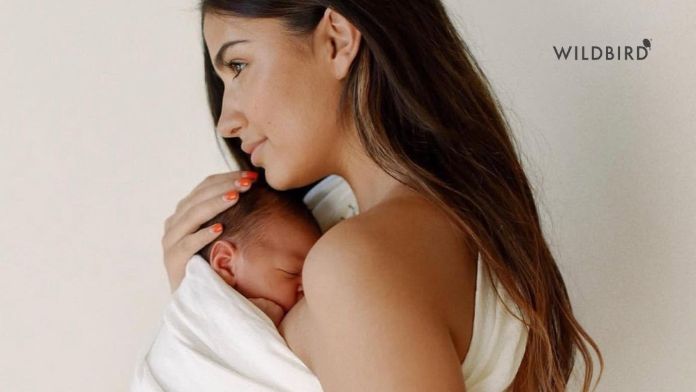
Life with a baby rarely follows a perfectly organised schedule. There may be mornings when you need to prepare breakfast while keeping your little one close, afternoons when you want to take a walk without pushing a stroller, or evenings when your baby simply wants to be held. Babywearing can make these everyday moments easier while allowing parents to stay physically close to their children.
The key is finding a carrying routine that fits naturally into your day. Instead of thinking of a baby carrier as something reserved for special outings, it can become a practical part of ordinary activities at home and outside. WildBird focuses on babywearing products that combine functionality, comfort and modern design, with options ranging from newborn wraps and ring slings to supportive carriers for babies and toddlers.
Find the Carrying Moments That Actually Help
Babywearing does not have to happen all day to be useful. Start by identifying the moments when having both hands available would make the biggest difference. It could be during a quick trip to the grocery store, a walk around the neighbourhood or while doing light tasks around the house.
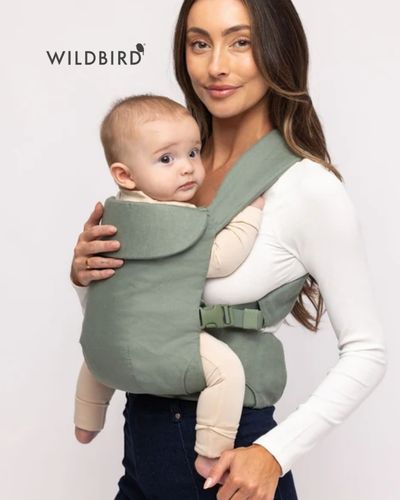
WildBird offers several carrier styles designed for different stages and situations. Its ring slings are recommended from newborn through toddlerhood, while the Aerial Carrier is designed for babies from around two months through the toddler stage.
Once you know when you are most likely to use a carrier, choosing the right style becomes easier. A parent who needs something quick for short periods may have different priorities from someone who expects to carry their baby for longer walks.
It can also help to begin with short carrying sessions. This gives both parent and baby time to become familiar with the carrier without making the experience feel overwhelming. As confidence grows, babywearing can naturally become part of more situations throughout the day.
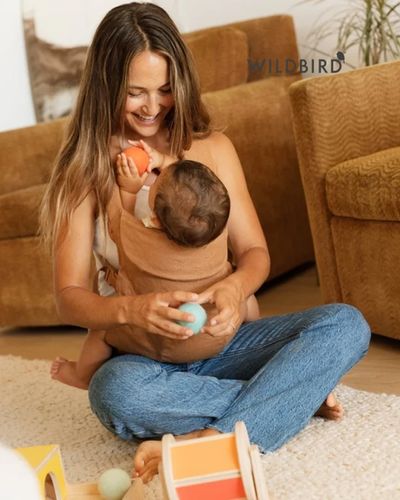
Choose a Carrier According to Your Baby’s Stage
A newborn has very different carrying needs from an active toddler. As your child grows, their size, mobility and preferred position can change, so it makes sense to consider the stage your baby is currently in rather than choosing solely based on appearance.
WildBird’s current range includes an Aerial Newborn Buckle Wrap and traditional Newborn Wrap options for babies from birth through approximately six months. The Aerial Carrier is intended for babies around two to 24 months, while toddler-specific options extend the range further.
Ring slings provide another flexible option, with WildBird recommending them for babies from newborn through 36 months. Their adjustable design allows parents to create a personalised fit as their child grows.
When choosing between styles, consider how independently your baby can hold their head, how much support they need and how frequently you expect to carry them. Always follow the manufacturer’s age, weight and readiness recommendations for the specific carrier.
Your choice can also change over time. A newborn wrap that feels perfect during the first few months may eventually be replaced by a carrier designed for a more active baby or toddler.
Make Comfort a Priority for Both of You
A carrier may look beautiful, but comfort should remain one of the most important considerations. If the straps dig into your shoulders or your baby feels poorly positioned, you are unlikely to want to use it regularly.
WildBird’s Aerial Carrier is designed with padded straps, lumbar support and an adjustable fit, while its ring slings use breathable linen and can be adjusted to create a customised fit.
Your own clothing can also influence comfort. Lightweight layers may work better in warmer weather, while colder days may require some thought about how coats and other outerwear fit around the carrier.
Pay attention to how your body feels during and after carrying. Your baby’s weight should feel supported rather than pulling heavily on one area. If something does not feel right, stop and readjust according to the carrier’s instructions.
Comfort is also connected to positioning. WildBird’s guidance for ring slings highlights the importance of maintaining an ergonomic seated position, with the baby’s knees supported and positioned higher than the bottom. The baby’s face and airway should remain visible and clear.
Keep Babywearing Simple When You Leave Home
One of the biggest advantages of babywearing is convenience when you are away from home. A carrier can be useful when navigating crowded places, taking a short walk or visiting locations where a stroller may not be practical.
WildBird’s ring slings are designed to be lightweight and easy to adjust, while the Aerial Carrier is intended to provide supportive carrying for everyday use.
Before leaving home, prepare a small routine. Check that the carrier is correctly adjusted, make sure your baby is positioned safely and pack the essentials you are likely to need. Keeping the process consistent means you spend less time preparing when you are already in a hurry.
For short trips, a carrier may be all you need. For longer outings, you may want to combine babywearing with a compact changing bag or another practical way of carrying supplies.
It is also useful to consider the weather. Linen can be particularly appealing in warmer conditions because of its breathable qualities, while colder weather requires attention to layers so that the baby does not become too warm beneath outer clothing.
The goal is to make leaving home feel easier, not to create another complicated packing routine.
Give Yourself Time to Learn the Technique
Even a carrier described as easy to use can take some practice. Learning how to adjust straps, thread a ring sling or position a growing baby correctly becomes much easier when you practise before you actually need to use it.
WildBird provides instructional resources and product-specific guidance, including tutorials for its Aerial Carrier. The company also offers a carrier comparison tool to help parents understand differences between its main styles.
Practise at home when you have enough time rather than trying to learn for the first time while rushing out the door. If possible, use a mirror to check the baby’s position and follow the manufacturer’s instructions carefully.
As your baby grows, revisit the instructions. A position that worked when your child was younger may not be appropriate at a later stage.
Safety should always come before convenience. WildBird’s product guidance includes age, weight and readiness information for individual carriers, and its Aerial Carrier is recognised as hip-healthy by the International Hip Dysplasia Institute.
If you are ever unsure about positioning or whether your baby is ready for a particular carry, seek guidance from an appropriately trained babywearing professional or your healthcare provider.
Build a Routine That Grows With Your Family
Babywearing can change as your family changes. What works with a newborn may be different from what works with a curious toddler who wants to move independently but still asks to be carried when tired.
WildBird has expanded beyond its core baby carriers to include toddler carriers and other baby essentials, giving families options as children move through different stages. Its current baby collection also includes items such as blankets, playmats, crib sheets, loveys, teethers and baby clothing.
The important thing is not to feel that you need a new product for every stage. Instead, think about the situations that genuinely require a different solution. A ring sling may remain useful for quick carries, while a more supportive carrier may become preferable for longer periods.
Over time, babywearing can become less about having the perfect carrier and more about knowing when carrying will make your day easier. A short walk, a busy afternoon or a tired toddler can all create different reasons to keep a carrier nearby.
The best routine is one that feels realistic for your family. Start slowly, learn the correct positioning, choose a style suited to your child’s current stage and adjust your approach as their needs change.
With the right preparation, babywearing can become a simple everyday tool rather than something reserved for special occasions. It offers parents a practical way to stay mobile while keeping their little ones close, creating moments of connection in the middle of ordinary family life.