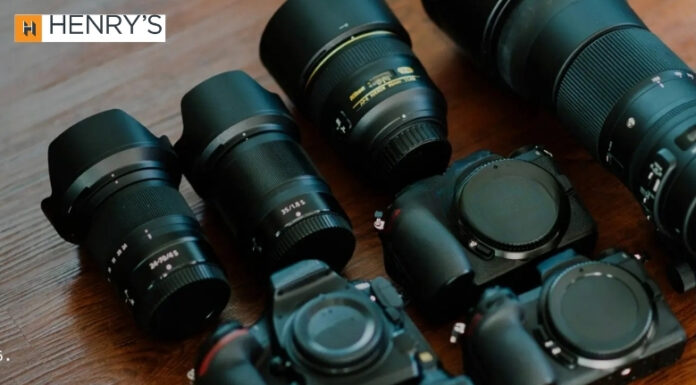
Photography has become an accessible and rewarding hobby for people with very different interests. Some enjoy documenting family moments, while others photograph landscapes, travel experiences, portraits, products, sports, or creative projects. With so many cameras, lenses, accessories, and video tools available, choosing the right equipment can quickly become confusing.
The most expensive camera is not automatically the best choice for every photographer. Your ideal setup depends on how you shoot, where you use your equipment, and what you want to achieve. Henry’s offers a wide range of photography and video equipment, making it possible to build a setup around your individual requirements rather than buying equipment you may never fully use.
Start With Your Photography Goals
Before comparing cameras, think about what you actually want to photograph. Your subject and shooting style should influence almost every equipment decision.
A person who mainly takes holiday photos may prioritize a lightweight camera and versatile lens. Someone interested in portraits might care more about lens quality and background separation, while a landscape photographer may place greater importance on dynamic range and wide-angle options.
Henry’s provides equipment for different photography and video applications, so identifying your main purpose can help narrow down the choices.
Think about how frequently you will use your camera as well. If you photograph occasionally, a complicated professional system may not be necessary. A simpler camera that is easy to carry and operate could be a better investment.
Your skill level matters too. Beginners often benefit from equipment that allows them to learn fundamental photography techniques without being overwhelmed by complicated controls.
If you already have experience, you may have a clearer understanding of which features are genuinely useful for your work.
It is also helpful to establish a realistic budget before shopping. Consider the total cost of your setup rather than focusing only on the camera body.
You may eventually need lenses, memory cards, batteries, a camera bag, and other accessories. Planning for these expenses can prevent unexpected costs later.
The best starting point is therefore not a specific camera model. It is a clear understanding of what you want your photography equipment to help you accomplish.
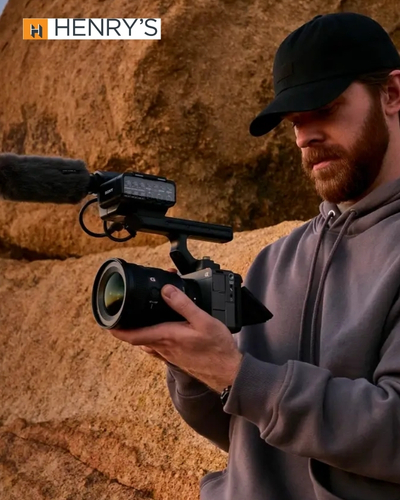
Understand Why the Lens Matters
A camera body receives plenty of attention, but the lens can have an equally important effect on your photographs. Focal length, aperture, image stabilization, and optical quality can all influence the final result.
Henry’s offers a variety of lenses and photography equipment, allowing photographers to create setups suited to different subjects and shooting conditions.
For landscapes, architecture, and large scenes, a wide-angle lens can help capture more of the environment. Portrait photographers may prefer a lens that provides flattering perspectives and attractive background blur.
Zoom lenses offer flexibility because they cover multiple focal lengths without requiring frequent lens changes. This can be particularly useful for travel, events, and everyday photography.
Prime lenses, on the other hand, have a fixed focal length and can be excellent choices when you want a specific perspective or a wide aperture.
Think about how you prefer to work. If you frequently move between different subjects, versatility may be more important than having specialized lenses.
You also do not need to buy several lenses at once. Starting with one versatile lens can help you understand your preferred photography style before investing in additional equipment.
As your skills develop, you will naturally notice situations where another lens would make a meaningful difference.
This approach can prevent unnecessary spending and help you build a more purposeful camera system.
Consider Lighting and Shooting Conditions
Great photography is not only about camera specifications. Light plays a major role in determining how an image looks and feels.
Outdoor daylight, indoor environments, nighttime scenes, and studio setups all present different challenges. Understanding these conditions can help you choose equipment more effectively.
Henry’s offers photography and lighting equipment for different creative needs, making it possible to adapt your setup to the environments where you normally shoot.
When photographing in low light, lens aperture becomes particularly important. A lens with a wider maximum aperture can allow more light to reach the camera sensor.
Higher ISO settings can also help in darker environments, although increasing ISO too much may introduce visible image noise.
A tripod can be extremely useful when working with slower shutter speeds. It can help keep the camera steady for night photography, long exposures, landscapes, and other situations where stability matters.
However, buying more equipment is not always the solution.
Learning to observe natural light can dramatically improve your photographs. The direction, softness, and intensity of available light can change the appearance of a subject.
Try photographing the same scene at different times of day. You may discover that understanding light improves your images more than upgrading your camera.
Once you understand how your shooting conditions affect your results, you can make much more informed equipment decisions.
Choose Gear That Works for Video Too
Many modern cameras are capable of both photography and video, making them useful for creators who want to produce different types of content.
If you plan to record videos, consider more than just resolution. Stabilization, autofocus performance, audio options, battery life, and storage can all influence your experience.
Henry’s carries photography and video equipment, allowing creators to consider cameras and accessories based on the type of content they want to produce.
Good audio is particularly important for interviews, tutorials, reviews, and social media videos. Viewers may tolerate average image quality more easily than unclear or distracting sound.
An external microphone can therefore be a worthwhile investment for people who regularly record spoken content.
Stabilization is another important consideration. Handheld footage can become difficult to watch when there is excessive movement.
Depending on the type of content you create, a tripod, stabilizer, or other support equipment may help produce smoother footage.
Storage should also be considered. High-resolution video files can consume memory quickly, so make sure your memory cards offer sufficient capacity and appropriate performance.
Extra batteries can also be useful during longer shoots.
Instead of buying every available accessory, identify the weaknesses in your current setup and invest in equipment that addresses those specific problems.
A well-planned video setup does not need to be complicated. It simply needs to support the way you actually create content.
Build a Useful Collection of Accessories
Accessories can make photography easier, safer, and more enjoyable, but it is easy to purchase items that rarely leave the cupboard.
Start with the accessories that directly support your regular shooting habits.
Henry’s offers a broad selection of photography and video accessories, allowing photographers to expand their equipment gradually as their needs change.
Memory cards are one of the most practical essentials. Choose capacity and speed based on your camera and the type of photography or video you create.
A reliable camera bag is also important if you travel frequently. It should provide enough protection while remaining comfortable to carry.
Extra batteries can be useful for long days of shooting, especially when access to charging is limited.
A tripod is another versatile accessory. It can help with landscapes, portraits, product photography, long exposures, and video.
Cleaning equipment should not be overlooked either. Dust and fingerprints can affect lenses and other sensitive equipment.
If you frequently photograph outdoors, consider how you will protect your gear from rain, dust, and accidental impacts.
Good storage habits can extend the useful life of your equipment.
At the same time, avoid buying accessories simply because they look useful. Ask yourself how often you are likely to use each item and whether it solves a genuine problem.
A smaller collection of high-value accessories is often more useful than a large collection of products you rarely need.
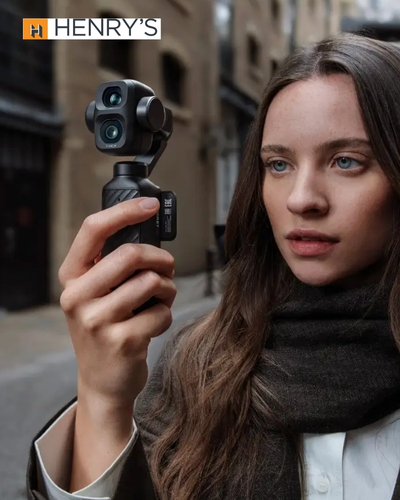
Upgrade Your Equipment at the Right Time
Photography equipment can be exciting, and there will always be newer cameras and accessories competing for your attention. However, upgrading simply because a new model has appeared is not always worthwhile.
Henry’s provides access to a wide range of photography equipment, but your upgrades should ideally be based on a real limitation in your current setup.
For example, if your camera performs well in most situations but struggles with low-light photography, a faster lens may provide a more meaningful improvement than replacing the entire camera.
If you frequently photograph distant subjects, investing in an appropriate telephoto lens could be more useful.
Think about the specific problem you want your next purchase to solve.
If you cannot identify a clear problem, you may not need the upgrade yet.
Learning photography fundamentals can also produce significant improvements without requiring new equipment. Understanding shutter speed, aperture, ISO, composition, focus, and lighting gives you greater control over your results.
As your experience grows, you will naturally discover which features matter most to you.
Used equipment can also be worth considering for photographers working with a limited budget. However, check the condition, compatibility, functionality, and available support before making a purchase.
Building a camera system gradually allows you to spend money where it can make the greatest difference.
The right photography equipment is not necessarily the newest or most expensive setup. It is the setup that supports your creative goals, fits your shooting style, and gives you the flexibility to improve over time.
Henry’s offers a wide selection of cameras, lenses, video equipment, and accessories, giving photographers plenty of options for building a personalized setup.
Start by identifying what you want to photograph. Travel, portraits, landscapes, sports, family events, product photography, and video production all have different equipment requirements.
Then consider your budget and the total cost of the system. Remember that a camera body is only one part of your setup. Lenses, memory cards, batteries, bags, tripods, and other accessories may also be necessary.
Do not underestimate the importance of the lens. Choosing the right focal length and aperture can have a significant impact on your photography and may sometimes produce a greater improvement than upgrading the camera body.
Lighting should also remain a priority. Learning to work with natural light can improve your images without requiring additional equipment.
If you plan to create videos, pay attention to audio, stabilization, storage, and battery life. These factors can have a major effect on the quality and convenience of your workflow.
Finally, upgrade only when your current equipment is genuinely limiting your creativity. Instead of chasing every new release, invest in tools that solve real problems.
Photography is ultimately about observation, creativity, and practice. The right equipment can support those skills, but it does not replace them.
With a thoughtful approach, you can build a photography setup that fits your lifestyle, supports your creative interests, and continues to serve you as your skills develop.