

1. Discover New Places Beyond the Usual Tourist Routes
Some of the most memorable travel experiences happen outside busy city centres. A quiet beach, a small mountain village, or a scenic road with beautiful views can become the highlight of a holiday. However, reaching these places is not always easy when you depend entirely on public transportation or organised tours. Having access to a rental car gives you more freedom to discover destinations at your own pace.
Localrent makes it easier to explore car rental options from local providers in destinations around the world. Travellers can compare available vehicles, review rental conditions, and select an option that matches their itinerary. This flexibility is particularly useful for people who want to explore beyond the most popular attractions without following a fixed schedule.
Imagine spending the morning exploring a historic town, stopping at a local restaurant for lunch, and driving to a coastal viewpoint before sunset. With your own rental car, you can organise the day around your interests rather than adjusting every activity to a bus timetable.
A successful road trip begins with understanding what you want from the journey. Make a list of the places you would like to visit, consider how far apart they are, and leave enough time for spontaneous stops. A balanced itinerary helps you enjoy the journey instead of rushing from one attraction to another.
2. Find a Car That Matches Your Travel Needs
Choosing the right vehicle can make a significant difference to your comfort and overall travel experience. The best option depends on your destination, the number of passengers, your luggage, and the type of roads you expect to encounter. A compact car may be ideal for city exploration, while a larger vehicle can offer additional space for families or groups travelling together.
When browsing Localrent, compare the vehicles available for your selected location and dates. Depending on the destination and supplier, options may include economy cars, family vehicles, automatic cars, and SUVs. Checking the available specifications helps you choose a vehicle based on practical needs rather than appearance alone.
Consider the driving conditions before making your decision. If you plan to explore narrow city streets, a smaller car may be easier to park. For longer journeys, comfortable seating and sufficient luggage space can become more important. Travellers planning routes through mountainous areas should also consider local road conditions and choose a vehicle suitable for the intended journey.
It is equally important to review the rental requirements. Check the minimum driver age, required driving experience, accepted licence documents, and payment arrangements. These conditions can differ between rental providers, even within the same destination.
Additional services may also influence your choice. If you are travelling with children, check whether an appropriate child seat is available. If more than one person will drive, confirm whether an additional driver can be included. Comparing these details before booking can help you avoid unnecessary inconvenience later.

3. Create an Itinerary That Balances Adventure and Relaxation
A road trip gives you the opportunity to create a travel plan that reflects your interests. Some travellers enjoy visiting historical landmarks, while others prefer natural landscapes, local food, or quiet destinations away from crowds. Planning your route around a few key experiences makes the journey more personal and enjoyable.
With Localrent, you can search for vehicles according to your destination and travel dates before organising your itinerary. Start by identifying your main stops, then estimate the driving time between them. Remember that navigation estimates may not account for traffic, roadworks, weather, or breaks along the way.
For a coastal holiday, you might spend a day exploring the main town before visiting nearby beaches and fishing villages. If you are travelling through a mountainous region, consider scenic viewpoints, nature trails, and local communities along your route. A city-based trip could include a few days of sightseeing followed by a short drive into the surrounding countryside.
Avoid scheduling too many activities for a single day. Leaving time for meals, photographs, and unexpected discoveries makes the experience more relaxing. It also allows you to change plans when you find an interesting place that was not on your original list.
Before departure, research parking arrangements, toll roads, restricted driving zones, and local traffic regulations. Downloading offline maps can be useful when mobile coverage is limited. If you plan to drive across borders, confirm that your rental agreement explicitly permits it and check any additional requirements in advance.
4. Understand Rental Costs Before Confirming Your Booking
A well-planned travel budget should include more than the advertised daily rental price. The total cost may depend on the vehicle category, rental duration, pickup location, insurance options, deposit, and additional services. Understanding these details before making a reservation helps you compare offers fairly.
Localrent allows users to review available vehicles and their rental conditions before booking. Its booking process generally involves paying an advance online, with the remaining amount paid when collecting the car. The precise payment schedule and accepted payment methods depend on the selected offer, so check the details shown during the booking process.
Deposits are another important consideration. Some rental providers require a refundable security deposit, while certain vehicles may be available under different deposit arrangements. Review the amount, payment method, and conditions for its return before making your decision.
Insurance deserves careful attention as well. Read the coverage description to understand what is included, whether a deductible applies, and which situations may be excluded. Do not assume that every type of damage is covered simply because an insurance option appears in the listing.
You should also check mileage limits, fuel requirements, late-return charges, cancellation conditions, and any fees for collecting or returning the car outside standard hours. If you want to return the vehicle in a different city, verify whether the supplier supports that arrangement and whether delivery charges apply.
Once your reservation is confirmed, save the booking voucher and review the final price. Keeping the relevant documents accessible can make collection easier and help you understand the agreed rental terms.
5. Prepare for a Comfortable and Stress-Free Journey
Preparation is essential when renting a car in an unfamiliar destination. Before travelling, confirm your pickup location, collection time, required documents, and the rental provider’s contact information. Depending on the country, you may need your original driving licence, passport, an International Driving Permit, or other documentation.
After booking through Localrent, read the voucher carefully and make sure the driver details and rental dates are correct. Review the supplier’s requirements rather than assuming that the rules will be the same as those in your home country. If any condition is unclear, contact the provider before your arrival.
When collecting the vehicle, inspect the exterior and interior carefully. Photograph existing scratches, dents, wheel marks, and any other visible damage. Check that these details are recorded in the inspection document before signing the agreement. It is also sensible to confirm the fuel level and ask about the return fuel policy.
Take a few minutes to familiarise yourself with the vehicle’s controls, lights, mirrors, and parking features before starting your journey. If you are unfamiliar with local traffic rules, review speed limits, road signs, and parking regulations beforehand.
Safety should remain a priority throughout the trip. Follow local laws, wear seat belts, avoid using your phone while driving, and take breaks during long journeys. If you feel tired, stop somewhere safe and rest before continuing.
Keeping emergency contact information, booking documents, and navigation details readily available can also make travel more convenient. These simple preparations allow you to focus on the experience rather than worrying about avoidable problems.
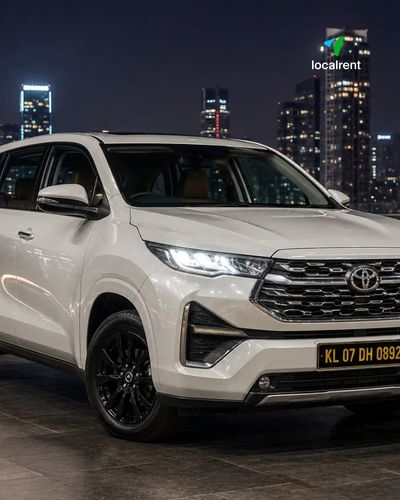
6. Make Your Next Road Trip Easier to Organise
Planning transportation early can give you more time to compare vehicles and choose the option that suits your itinerary. This is especially helpful during popular holiday periods, when certain vehicle categories or pickup locations may have limited availability. Booking in advance can also make it easier to organise your arrival and first day.
The Localrent website lets travellers explore rental options in supported destinations. Begin by entering your pickup location, return location, and rental dates. If you want to collect the car at an airport or have it delivered to your accommodation, check which options are offered by the selected provider and whether an additional fee applies.
Use the available filters to narrow down your choices, then compare the complete terms of each offer. Look beyond the photographs and advertised price to review the vehicle specifications, insurance, deposit, mileage allowance, and payment requirements. A car that suits your budget but does not provide enough space may not be the best choice for your trip.
Before completing the reservation, double-check the dates, driver information, pickup arrangements, and cancellation conditions. Save your confirmation and make sure you understand how to contact the rental company if your flight is delayed or your plans change.
A memorable road trip does not require an elaborate itinerary or an expensive vehicle. It begins with choosing suitable transportation, planning a realistic route, and leaving room to enjoy the destination. With careful preparation and a rental car that fits your needs, you can explore new places more independently and make the journey an important part of the holiday itself.