
In today’s competitive aviation industry, airlines must balance affordability, reliability, and passenger comfort. One carrier that has successfully achieved this balance is airBaltic. As the national airline of Latvia, airBaltic has transformed from a regional operator into a modern European airline known for efficiency, innovation, and sustainability. Connecting the Baltic region to major European hubs and beyond, the airline continues to expand its influence while maintaining a strong commitment to quality service.
This blog explores the journey of airBaltic, its fleet innovation, route network, passenger experience, digital advancements, sustainability efforts, and future growth.
1. The Origins and Growth of airBaltic
Founded in 1995, airBaltic began as a joint venture aimed at strengthening Latvia’s aviation presence after the country regained independence. Over the years, it steadily expanded its network, connecting the Baltic capitals—Riga, Tallinn, and Vilnius—to key European destinations.
Riga International Airport serves as the airline’s primary hub, strategically positioned between Western Europe, Scandinavia, and Eastern Europe. This central location allows airBaltic to operate efficient connecting flights, making it an important transit carrier in the region.
Through strategic planning and operational efficiency, airBaltic evolved from a small regional airline into a respected European carrier. Its growth has been supported by strong leadership, investment in modern aircraft, and a focus on maintaining punctual operations. Today, it serves dozens of destinations across Europe, the Middle East, and parts of Asia.

2. A Modern and Fuel-Efficient Fleet
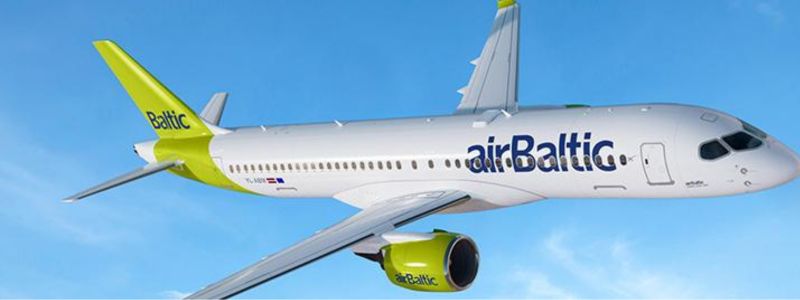
One of the most notable aspects of airBaltic is its commitment to operating a modern fleet. The airline has standardized its aircraft around the Airbus A220-300, a next-generation jet known for fuel efficiency, reduced emissions, and passenger comfort.
The Airbus A220-300 features a spacious cabin layout, larger windows, and improved noise reduction, enhancing the overall travel experience. With fewer middle seats and more legroom compared to older regional aircraft, passengers often enjoy a more comfortable journey.
From an operational perspective, the A220-300 allows airBaltic to reduce fuel consumption and maintenance costs. Its advanced engines and aerodynamic design help reduce carbon emissions, aligning with the airline’s sustainability goals.
By investing heavily in this single aircraft type, airBaltic simplifies maintenance and crew training, increasing efficiency and reliability across its operations.
3. Expanding Route Network Across Europe
airBaltic connects travelers to a wide array of destinations. From major European cities such as Berlin, Paris, and Amsterdam to leisure hotspots like Malaga and Dubrovnik, the airline offers routes that cater to both business and vacation travelers.
The Baltic region serves as a gateway between East and West. Travelers from Scandinavia, Central Europe, and Eastern Europe often use airBaltic as a connecting carrier through Riga. This strategic positioning strengthens the airline’s role as a regional hub operator.
Seasonal routes further enhance flexibility, with additional flights introduced during peak travel periods. Whether it’s summer tourism or winter holiday travel, airBaltic adapts its schedule to meet changing demand.
The airline’s network strategy focuses on connecting underserved routes while maintaining competitive pricing. This approach allows airBaltic to differentiate itself from larger legacy carriers while still offering a comprehensive European network.
4. Passenger Experience and Onboard Comfort
Modern travelers expect more than just transportation—they seek comfort, convenience, and reliability. airBaltic has made significant efforts to enhance the passenger experience from booking to landing.
The airline offers both Economy Class and Business Class options. Economy passengers benefit from comfortable seating and optional add-on services, while Business Class travelers enjoy additional legroom, priority boarding, lounge access, and premium onboard catering.
Onboard service is designed to reflect Baltic hospitality. Passengers can purchase meals, snacks, and beverages inspired by regional flavors. The quiet cabin environment of the Airbus A220-300 further enhances comfort, particularly on longer flights.
Additionally, airBaltic emphasizes punctuality. Maintaining strong on-time performance builds trust among travelers who value efficiency, especially business passengers with tight schedules.
5. Digital Innovation and Customer Convenience
In a digital era, airlines must prioritize seamless online services. airBaltic has embraced technology to simplify the travel experience. Its user-friendly website and mobile app allow passengers to book flights, manage reservations, check in online, and access boarding passes with ease.
The airline also offers dynamic pricing and flexible fare options, enabling travelers to customize their journey based on baggage needs, seat selection, and other preferences. This flexibility empowers customers to pay only for the services they require.
Self-service kiosks and automated processes at airports reduce waiting times, improving overall efficiency. By leveraging digital tools, airBaltic ensures that travelers can manage their trips conveniently and confidently.
The airline’s loyalty program, airBaltic Club, rewards frequent flyers with points that can be redeemed for flights, upgrades, and additional services. This program strengthens customer engagement and encourages repeat travel.
6. Commitment to Sustainability and Future Growth
Sustainability has become a central focus for the aviation industry, and airBaltic is actively working toward reducing its environmental impact. Operating a fleet of fuel-efficient Airbus A220-300 aircraft is a major step toward lowering carbon emissions.
The airline also participates in carbon offset initiatives and continuously explores ways to improve operational efficiency. Reduced fuel consumption not only benefits the environment but also strengthens long-term financial sustainability.
Looking ahead, airBaltic aims to expand its fleet and route network while maintaining high service standards. The airline’s strategic growth plan includes increasing connectivity within Europe and exploring new international destinations.
Innovation remains a priority. By staying adaptable and forward-thinking, airBaltic positions itself as a competitive mid-sized European carrier capable of thriving in a rapidly changing aviation landscape.
Conclusion: A Baltic Leader in Modern Aviation
airBaltic has successfully carved out a unique position in European aviation. Combining a modern fleet, strategic route network, and strong focus on customer experience, the airline continues to grow while maintaining operational excellence.
Its investment in the Airbus A220-300 reflects a long-term commitment to sustainability and passenger comfort. Meanwhile, digital innovation ensures a seamless travel journey from booking to arrival.
As air travel continues to evolve, airBaltic demonstrates how a regional airline can compete on a global stage through smart strategy and continuous improvement. For travelers seeking efficient connections, modern aircraft, and reliable service across Europe, airBaltic offers a compelling choice.
With strong foundations and ambitious growth plans, airBaltic is not just connecting cities—it is connecting cultures, opportunities, and people across the continent.

