
In today’s digital world, designing a home no longer requires stacks of blueprints or expensive architectural software. Whether you are planning a renovation, building a new house, or simply experimenting with interior design ideas, technology has made the process more accessible than ever. One standout platform leading this transformation is Planner 5D. Known for its intuitive interface and powerful visualization tools, Planner 5D allows users to create detailed 2D and 3D home designs with ease.
From beginners exploring their creativity to professionals seeking efficient planning tools, Planner 5D offers solutions that bridge imagination and reality. This blog explores how the platform works, its key features, benefits, technological innovation, and its impact on modern interior and architectural design.
1. The Rise of Digital Home Design
Home design used to be limited to architects and professionals with technical training. Drafting detailed floor plans required specialized software and years of experience. However, the digital revolution has democratized design, allowing anyone with a computer or smartphone to experiment with layouts and décor ideas.
Planner 5D was developed to simplify the design process without compromising on quality. The platform enables users to create floor plans, furnish rooms, and visualize complete homes in both 2D and 3D modes. Its drag-and-drop functionality eliminates the complexity associated with traditional design tools.
As more people embrace DIY renovations and personalized living spaces, platforms like Planner 5D have become essential. They empower homeowners to visualize changes before committing to them, reducing costly mistakes and improving confidence in decision-making.

2. User-Friendly Tools for Beginners and Professionals
One of Planner 5D’s greatest strengths is its accessibility. Unlike professional-grade software that can feel overwhelming, Planner 5D is designed with simplicity in mind. Users can start from scratch or choose pre-made templates to jumpstart their projects.
The interface allows for easy placement of walls, doors, windows, and furniture. Measurements can be customized to match real-life dimensions, ensuring accurate planning. Even individuals with no prior design experience can quickly learn how to build realistic layouts.
For professionals, Planner 5D offers advanced tools that enhance productivity. Designers and real estate agents can create detailed visualizations to present ideas to clients. This capability improves communication and helps clients better understand proposed changes.
By balancing simplicity with depth, Planner 5D caters to a wide audience, making home design both approachable and professional-grade.
3. Immersive 2D and 3D Visualization
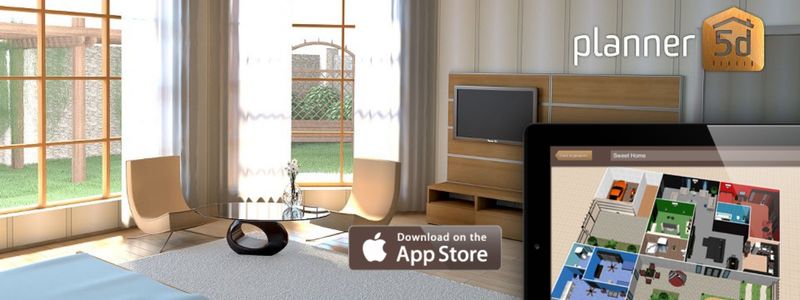
Visualization is a crucial aspect of home design. It is one thing to imagine how a space might look, but seeing it rendered realistically makes a significant difference. Planner 5D offers both 2D floor plan views and immersive 3D renderings.
The 2D mode provides a technical overview of the layout, allowing users to focus on structure and measurements. Once satisfied with the floor plan, switching to 3D mode transforms the design into a lifelike representation. Users can explore rooms from different angles, adjust lighting, and experiment with textures.
The high-quality rendering engine enhances realism by adding shadows, reflections, and accurate material finishes. This feature is particularly helpful for interior designers who want to showcase how furniture and décor will look in a finished space.
By combining 2D precision with 3D immersion, Planner 5D helps users move seamlessly from concept to visualization.
4. Extensive Catalog of Furniture and Décor
A major advantage of using Planner 5D is its vast design catalog. The platform includes thousands of items, from sofas and beds to kitchen appliances, lighting fixtures, and decorative accessories. This variety allows users to personalize spaces according to their style preferences.
Whether someone prefers minimalist modern interiors, rustic farmhouse aesthetics, or contemporary urban designs, the catalog provides options to match different tastes. Users can customize colors, materials, and sizes to create unique combinations.
The ability to experiment with different layouts and furnishings helps homeowners make informed purchasing decisions. Instead of guessing how a new sofa will fit into a living room, users can test it virtually first.
This extensive selection transforms Planner 5D from a simple layout tool into a complete interior design solution.
5. AI and Smart Technology Integration
Technology continues to evolve, and Planner 5D integrates modern innovations to enhance user experience. Artificial intelligence features help automate certain aspects of design, such as room recognition and layout suggestions.
Users can upload images of their existing rooms, and AI tools assist in recreating the space digitally. This capability saves time and improves accuracy when planning renovations. Smart suggestions also help users discover design ideas they may not have considered.
Cloud-based functionality ensures that projects are saved and accessible across devices. Whether working on a desktop computer or mobile app, users can continue their designs seamlessly.
By incorporating AI and cloud technology, Planner 5D stays at the forefront of digital design innovation, offering convenience and efficiency to modern users.
6. Benefits for Homeowners, Designers, and Real Estate Professionals
Planner 5D serves a diverse audience. For homeowners, it offers a risk-free environment to experiment with layouts before investing money in renovations. Visualizing changes ahead of time reduces uncertainty and improves satisfaction with the final result.
Interior designers benefit from enhanced presentation tools. Instead of relying solely on sketches or mood boards, professionals can provide clients with detailed 3D renderings. This clarity improves collaboration and speeds up decision-making.
Real estate agents also find value in Planner 5D. Virtual staging allows them to showcase properties with furnished interiors, making listings more appealing to potential buyers. Buyers can better imagine living in the space, increasing engagement and interest.
The platform’s versatility makes it suitable for educational purposes as well. Students studying architecture or interior design can use Planner 5D to practice and develop their skills in a practical environment.
Conclusion: Turning Ideas into Reality
Planner 5D has transformed the way people approach home design. By combining intuitive tools, immersive visualization, and smart technology, it empowers users to turn ideas into realistic digital spaces. What once required specialized training and expensive software is now accessible to anyone with creativity and a vision.
From designing a cozy apartment to planning a large family home, Planner 5D simplifies every step of the process. Its user-friendly interface ensures that beginners feel confident, while advanced features meet the needs of professionals.
As the demand for personalized living spaces continues to grow, digital platforms like Planner 5D will play an increasingly important role in shaping the future of home design. By bridging imagination and technology, Planner 5D helps users bring their dream spaces to life—one room at a time.

